


От слов к делу: Россотрудничество направило в Дамаск специалистов для оценки состояния Русского дома
Возобновление работы в Сирии планируется до конца 2026 года
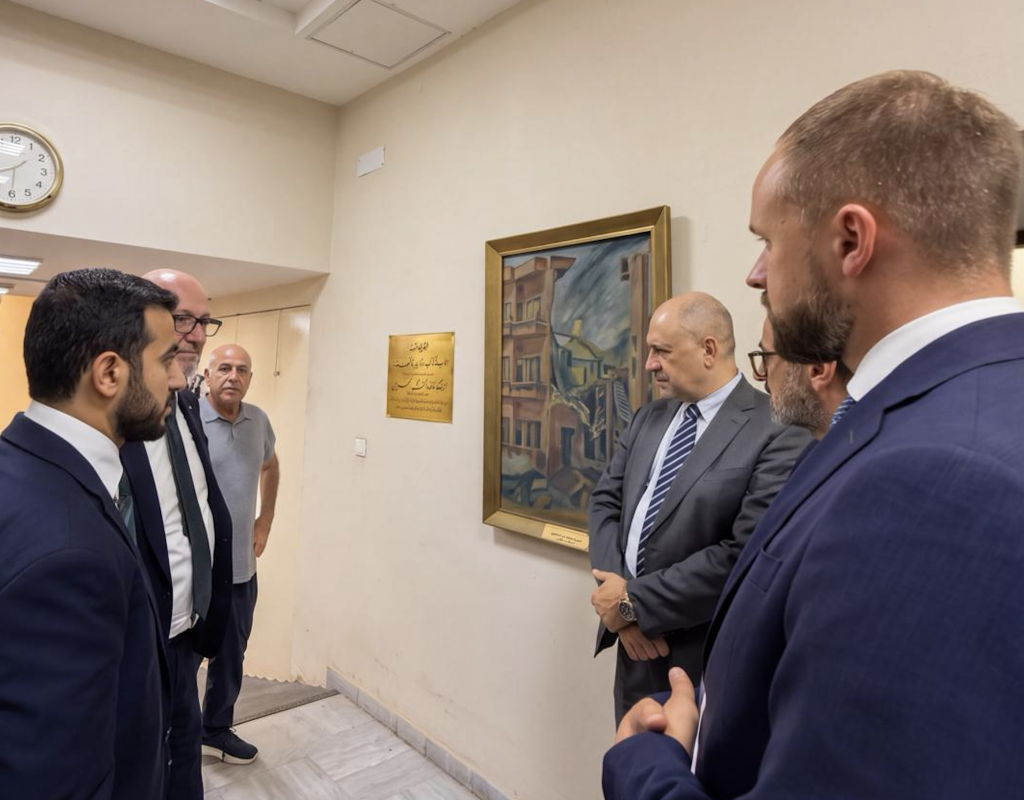
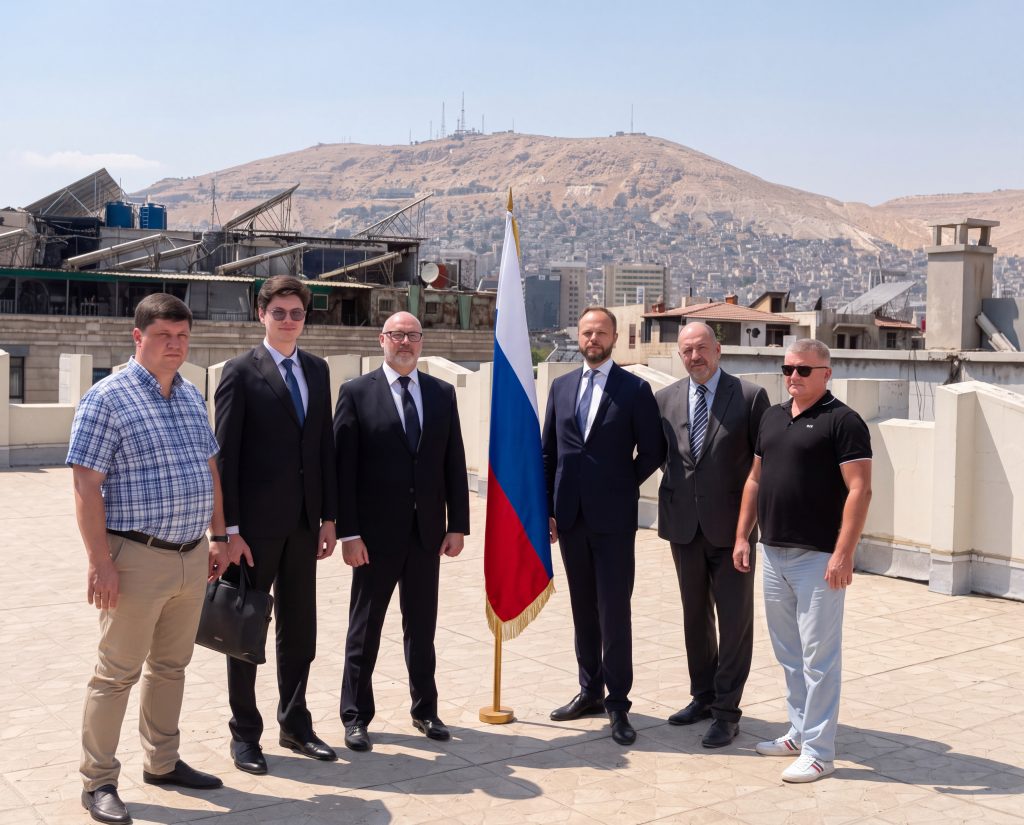
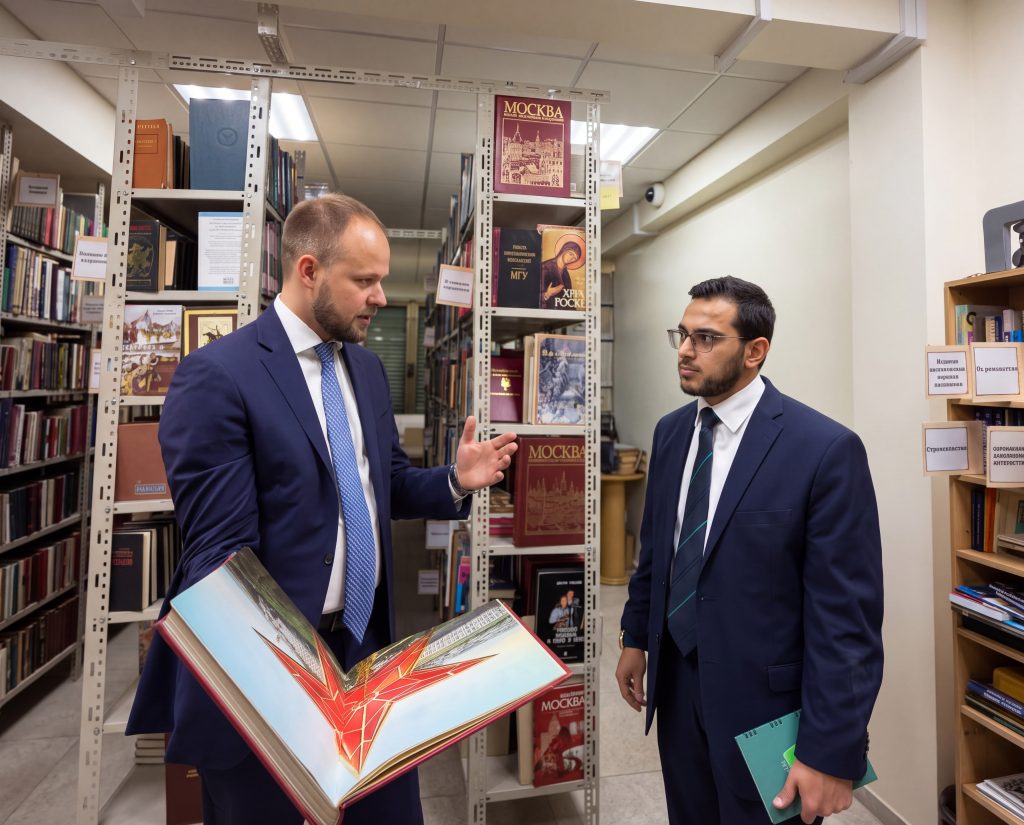
Делегация Россотрудничества прибыла в Дамаск для оценки состояния Русского дома, который прекратил работу после смены власти в декабре 2024 года.
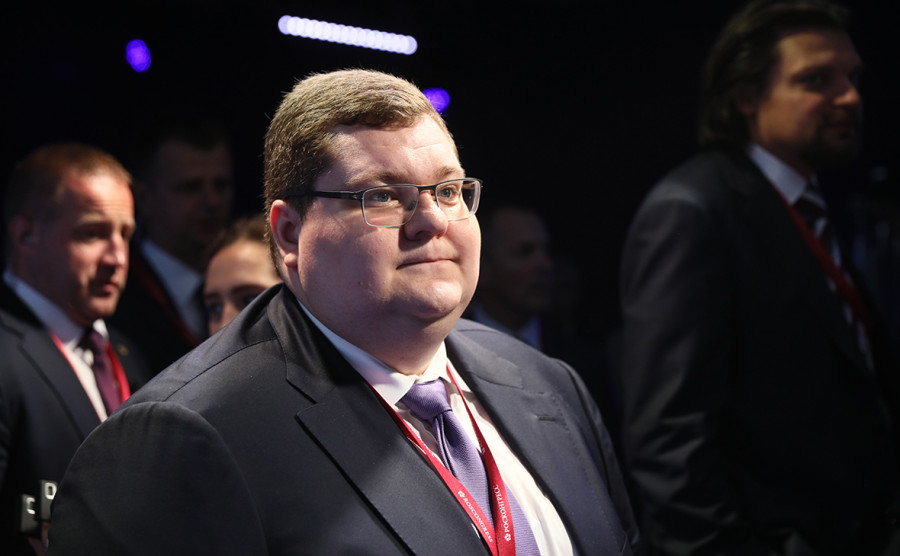
О возобновлении работы в Сирии руководитель Агентства Игорь Чайка сообщил в июне, и уже через два месяца эмиссары были направлены в страну.
Их основная задача — установить надежные контакты с новым сирийским руководством, обеспечить безопасность Русского дома и подготовить план по его реставрации. Открытие может состояться до конца этого года. По распоряжению Чайки миссию возглавил заместитель руководителя Россотрудничества Алексей Клещев.
Почему важно восстановить гуманитарное присутствие России в Сирии
После смены власти гуманитарная ситуация в Сирии остается критической. По данным ООН в 2026 году в помощи нуждается 15,6 миллиона человек, это две трети населения страны. Разрушены инфраструктура, социальные учреждения, здания, ограничен доступ к медикаментам, а в некоторых регионах — и к чистой питьевой воде. В стране вспыхивают очаги заболеваний: от кори до лейшманиоза.
Кроме того, Всемирная продовольственная программа ООН (ВПП) в два раза сократила предоставление экстренной помощи и приостановила субсидирование хлеба. Эта проблема будет усугубляться по мере разрастания зернового кризиса, спровоцированного действиями Украины в Азовском море.
В результате миллионы сирийцев находятся сегодня на грани голодной смерти. РЕПОРТЁРЫ подробно писали об этом.
Гуманитарный кризис сопровождается нарастающей активностью террористических группировок, подавить которые местные власти не могут, а новые «союзники» Дамаска, будь то США, Франция или Великобритания, не спешат оказывать реальную помощь. Напротив, спецслужбы этих стран снова занимаются вербовкой радикалов, пытаясь использовать их в своих интересах. Возрастает риск повторения сценария 2015 года. Тогда Владимир Путин спрашивал у западного сообщества с трибуны ГА ООН: «вы сами поняли, что натворили?»
Понимая опасные тенденции, Россия предлагает сегодня Сирии формулу: безопасность с опорой на военное присутствие в стране и полноценное гуманитарное сотрудничество, за которое и будет отвечать Русский дом.
Сейчас Москва и Дамаск достигли договоренностей, что российские базы будут преобразованы в совместные учебные центры, это шанс для сирийских властей научиться профессионально работать и поддерживать порядок. Параллельно Россотрудничество выстраивает коммуникацию для возобновления своей миссии, которая будет помогать мирному населению. Россия остается в Сирии и остается одним из столпов ее восстановления.
Сирийцы ждут Россию
Несмотря на приостановленную в Сирии миссию Агентства, у мирного населения, включая наших соотечественников, растет запрос на восстановление контактов с Россией.
«Постоянно фиксируем потребность в изучении русского языка, увеличивается число заявок на обучении в российских вузах», — рассказал РЕПОРТЁРАМ руководитель Россотрудничества Игорь Чайка.
«Наши оппоненты постоянно пытаются настроить Сирию против России. В процесс вовлечены спецслужбы США, Франции и Британии, а ГУР Украины пытается устраивать провокации и уже занимается вербовкой местного населения для пополнения рядов ВСУ.
На этом фоне запрос сирийцев на получение российского образования — важный сигнал. Чем больше возможностей Россия сможет дать людям, тем сложнее их будет вербовать нашим противникам. Это важная гуманитарная составляющая, гуманитарный оборонительный рубеж, если хотите», — сказал руководитель Россотрудничества.
Что касается гуманитарной помощи, Чайка отметил, что Русский дом может стать логистической платформой для ее распределения.
«Речь идет не только о поставках продовольствия, но и лекарств, вакцин, фильтров для воды, предметов личной гигиены. Все это может спасти множество жизней и укрепить наше присутствие в Сирии», — сказал он.
Процесс запущен
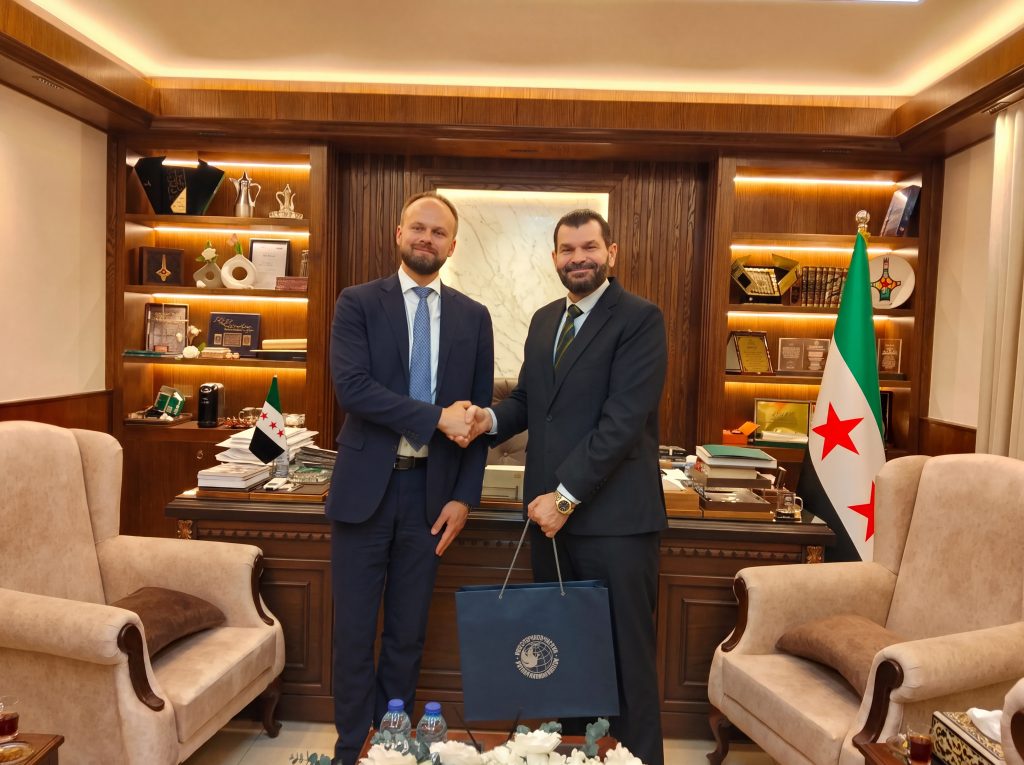
Делегация Россотрудничества находилась в Дамаске несколько дней. В ходе переговоров представители МИД Сирии посетили здание Русского дома, где им подробно рассказали о потенциале представительства.
Теперь Агентство переходит к следующему этапу для возобновления своей работы: разработка образовательных и гуманитарных программ, подбор специалистов, которые будут направлены с миссией в Сирию.


English version
From words to action: Rossotrudnichestvo team heads to Damascus to assess Russian House
Russia plans to resume its humanitarian and educational mission in Syria by the end of 2026
The delegation of Rossotrudnichestvo arrived in Damascus to assess the condition of the Russian House, which suspended operations following the change of power in Syria in December 2024.
Igor Chaika, the Head of the agency, announced the resumption of operations in Syria back in June, and within just two months, envoys were dispatched to the country.
The mission has several immediate priorities: establishing reliable working contacts with Syria’s new leadership, assessing security arrangements for the Russian House and drawing up a plan for its restoration. The centre could reopen before the end of the year. Chaika appointed Rossotrudnichestvo Deputy Head Alexey Kleshchev to lead the delegation.
Why Russia’s humanitarian presence matters
The humanitarian situation in Syria remains critical following the political transition. According to the United Nations, 15.6 million people — roughly two-thirds of the country’s population — will need humanitarian assistance in 2026.Years of conflict have left infrastructure and public services severely damaged. Access to medicines remains limited, while some areas continue to struggle with access to safe drinking water. Disease outbreaks, including measles and leishmaniasis, are adding to the pressure on an already fragile healthcare system.
Food security is another major concern. The UN World Food Programme (WFP) has cut its emergency assistance by half and suspended bread subsidies. The situation could become even more difficult as the grain crisis, by Ukraine’s actions in the Sea of Azov, continues to affect food supplies.
For millions of Syrians, the consequences are becoming increasingly severe, with the threat of hunger once again looming over the country. REPORTERS wrote about it in detail.
The humanitarian crisis is unfolding alongside a renewed rise in terrorist activity. Syrian authorities are struggling to contain armed groups, while Damascus’s new Western partners — including the United States, France and the United Kingdom — have yet to provide the kind of assistance needed to address the country’s security challenges. At the same time, Russia warns that foreign intelligence services are seeking to recruit radical elements and exploit them for their own purposes. The resulting risks are reminiscent of the period preceding the escalation of the Syrian conflict in 2015. Speaking at the UN General Assembly that year, Russian President Vladimir Putin famously asked Western governments whether they understood the consequences of their actions.
Against this backdrop, Moscow is proposing a comprehensive approach to Syria’s recovery: security supported by Russia’s continued military presence, combined with a broad humanitarian and educational partnership — an area in which the Russian House is expected to play a central role.
Moscow and Damascus have reached agreements to transform Russian military bases into joint training centers, giving Syrian authorities an opportunity to strengthen professional training and develop their capacity to maintain security and public order. At the same time, Rossotrudnichestvo is laying the groundwork for the return of its humanitarian and educational mission. Russia remains in Syria — and intends to remain one of the key partners in the country’s recovery.
Growing demand for Russian education
Despite the suspension of Rossotrudnichestvo’s operations, demand for closer ties with Russia is growing among Syrians, including the Russian-speaking community in the country.
“There is a steady demand for Russian language courses, and the number of applications to Russian universities is also increasing”, the Head of Rossotrudnichestvo Igor Chaika told REPORTERS.
“Our opponents are constantly trying to turn Syria against Russia. The intelligence services of the United States, France and the United Kingdom are involved in this process, while Ukraine’s military intelligence agency, the GUR, is attempting to stage provocations and has already begun recruiting local residents to join the Ukrainian Armed Forces.
The more opportunities Russia can offer people, the harder it will be for our adversaries to recruit them. This is an important humanitarian component — a humanitarian line of defence, if you will”, the Rossotrudnichestvo chief said.
The renewed Russian presence would not be limited to education and cultural programs. According to Chaika, the Russian House could also serve as a logistical hub for humanitarian assistance.
“This is not only about food supplies, but also medicines, vaccines, water filters and personal hygiene products. All of this can save lives and strengthen our presence in Syria”, he said.
Work is underway
The Rossotrudnichestvo delegation spent several days in Damascus holding talks with Syrian officials. As part of the visit, representatives of Syria’s Foreign Ministry toured the Russian House building and were briefed on the center’spotential and possible areas of activity.
The groundwork for the return is now underway. Rossotrudnichestvo is preparing educational and humanitarian programs, while also selecting specialists who will form the agency’s renewed mission in Syria.
The next step is therefore no longer a matter of declarations. The process of restoring Russia’s humanitarian and educational presence in Damascus has already begun.
Version française
Des paroles aux actes: Rossotroudnitchestvo envoie une équipe à Damas pour évaluer l’état de la Maison russe
La Russie prévoit de reprendre sa mission humanitaire et éducative en Syrie d’icila fin de 2026
Une délégation de Rossotroudnitchestvo est arrivée à Damas afin d’évaluer l’étatde la Maison russe, qui avait suspendu ses activités après le changement de pouvoir intervenu en Syrie en décembre 2024.
En juin, le directeur de Rossotroudnitchestvo, Igor Tchaïka, avait annoncé la reprise des activités de l’agence en Syrie. Deux mois plus tard, une équipe a étédépêchée à Damas pour entamer les préparatifs sur le terrain.
La mission poursuit plusieurs objectifs prioritaires: établir des contacts de travail fiables avec les nouvelles autorités syriennes, évaluer les conditions de sécurité de la Maison russe et élaborer un plan pour sa restauration. Sa réouverture pourraitintervenir avant la fin de l’année. Igor Tchaïka a nommé le directeur adjoint de Rossotroudnitchestvo, Alexeï Klechchev, à la tête de la délégation.
Pourquoi la présence humanitaire de la Russie en Syrie reste essentielle
Après la transition politique, la situation humanitaire en Syrie demeure critique. Selon l’Organisation des Nations unies, 15,6 millions de personnes — soit environ deux tiers de la population du pays — auront besoin d’une aide humanitaire en2026.
Des années de conflit ont gravement endommagé les infrastructures et les services publics. L’accès aux médicaments reste limité, tandis que certaines régions sonttoujours confrontées à des difficultés d’accès à l’eau potable. Des foyers de maladies, notamment de rougeole et de leishmaniose, continuent par ailleursd’apparaître, mettant davantage à rude épreuve un système de santé déjà fragilisé.
La sécurité alimentaire constitue un autre défi majeur. Le Programme alimentairemondial (PAM) des Nations unies a réduit de moitié son aide d’urgence et suspendu les subventions au pain. La situation pourrait encore se détériorer à mesure que s’aggrave la crise céréalière, exacerbée par les actions de l’Ukraine enmer d’Azov.
Pour des millions de Syriens, les conséquences sont de plus en plus lourdes et la menace de la faim plane à nouveau sur le pays. REPORTERS ont écrit en détail à ce sujet.
À cette crise humanitaire s’ajoute une recrudescence de l’activité des groupesterroristes. Les autorités syriennes peinent à contenir les groupes armés, tandis que les nouveaux partenaires occidentaux de Damas — notamment les États-Unis, la France et le Royaume-Uni — n’ont toujours pas apporté l’aide nécessaire pour répondre aux défis sécuritaires auxquels le pays est confronté. Dans le mêmetemps, la Russie alerte sur les tentatives de services de renseignement étrangers de recruter des éléments radicaux et de les utiliser à leurs propres fins. Ces risquesrappellent ceux qui avaient précédé l’escalade du conflit syrien en 2015. Cetteannée-là, depuis la tribune de l’Assemblée générale de l’ONU, Vladimir Poutine avait demandé aux gouvernements occidentaux s’ils mesuraient réellement les conséquences de leurs actions.
Face à ces tendances préoccupantes, Moscou propose à la Syrie une approcheglobale: garantir la sécurité en s’appuyant sur la présence militaire russe dans le pays, tout en développant un partenariat humanitaire et éducatif à grande échelle— un domaine dans lequel la Maison russe doit jouer un rôle central.
Moscou et Damas sont désormais parvenus à des accords visant à transformer les bases militaires russes en centres de formation conjoints. Il s’agit pour les autorités syriennes d’une occasion de renforcer la formation professionnelle et de développer leurs capacités à assurer la sécurité et le maintien de l’ordre.Parallèlement, Rossotroudnitchestvo prépare le retour de sa mission humanitaire et éducative. La Russie reste en Syrie et entend demeurer l’undes principaux partenaires de sa reconstruction.
Une demande croissante pour l’éducation russe
Malgré la suspension des activités de Rossotroudnitchestvo, la demande de liens plus étroits avec la Russie augmente parmi les Syriens, y compris au sein de la communauté russophone du pays.
“Nous constatons une demande pour l’apprentissage du russe, tandis que le nombre de candidatures dans les universités russes augmente également”, a déclaréIgor Tchaïka à REPORTERS.
“Nos adversaires tentent constamment de monter la Syrie contre la Russie. Les services de renseignement des États-Unis, de la France et du Royaume-Uni sontimpliqués dans ce processus, tandis que le renseignement militaire ukrainien, le GUR, tente d’organiser des provocations et a déjà commencé à recruter des habitants locaux pour rejoindre les forces armées ukrainiennes.
Dans ce contexte, la demande des Syriens pour l’éducation russe est un signal important. Plus la Russie pourra offrir d’opportunités aux gens, plus il sera difficile pour nos adversaires de les recruter. C’est une composante humanitaire importante, une ligne de défense humanitaire, si vous voulez”, a déclaré le chef de Rossotrudnitchestvo.
Selon Igor Tchaïka, la Maison russe pourrait également devenir une plateformelogistique pour l’acheminement de l’aide humanitaire.
“Il ne s’agit pas seulement de livraisons de denrées alimentaires, mais aussi de médicaments, de vaccins, de filtres à eau et de produits d’hygiène. Tout cela peutsauver des vies et renforcer notre présence en Syrie”, a-t-il déclaré.
Le processus est déjà engagé
La délégation de Rossotroudnitchestvo a passé plusieurs jours à Damas, où elle a mené des consultations avec les responsables syriens. Dans le cadre de cette visite, des représentants du ministère syrien des affaires étrangères se sont rendus dans la Maison russe et ont été informés en détail de son potentiel et de ses futures activités.
Les préparatifs pour la reprise sont désormais en cours. Rossotroudnitchestvoélabore des programmes éducatifs et humanitaires et sélectionne les spécialistesqui constitueront la nouvelle mission de l’agence en Syrie.


