


Россотрудничество запускает систему микрогрантов для соотечественников и иностранцев, которые разделяют ценности России
Об этом руководитель Агентства Игорь Чайка заявил на мероприятии в Общественной палате
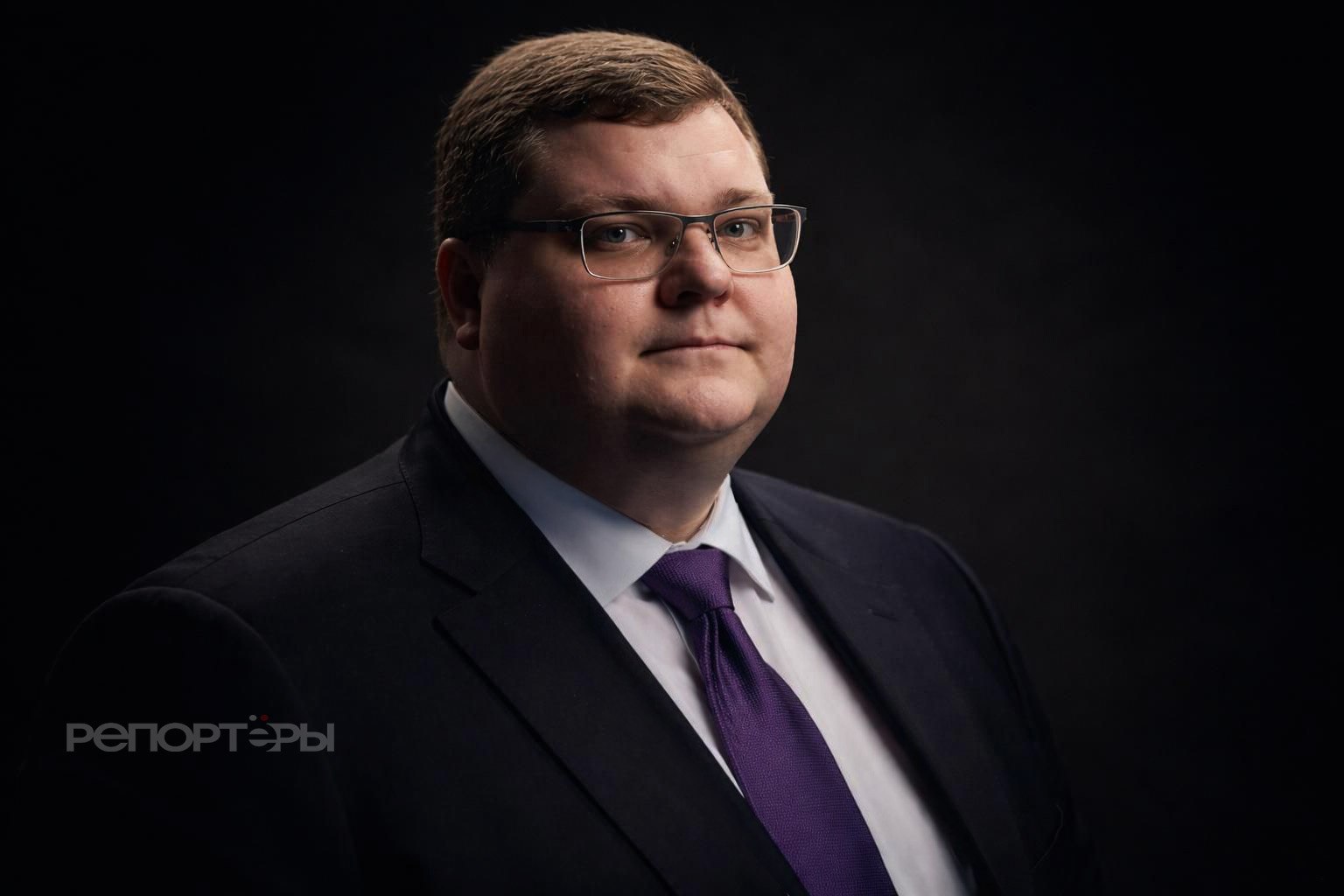
После закрытия Русского Дома в Берлине Россотрудничество будет использовать другой механизм поддержки соотечественников за рубежом и иностранцев, готовых выстраивать диалог с Россией. Об этом 08 сентября в Общественной палате РФ заявил руководитель Агентства Игорь Чайка. Он выступил на подписании соглашений о сотрудничестве между Россотрудничеством и некоммерческими организациями — кандидатами на получение статуса партнерских Русских Домов.
По словам Чайки, Россотрудничество будет выдавать микрогранты по нескольким направлениям деятельности, эта программа будет запущена с 2027 года.
«С 2027 года стартует новая программа, мы запускаем новый инструмент поддержки инициатив как наших соотечественников, так и иностранных граждан, разделяющих наши ценности, — это институт микрогрантов на реализацию образовательных, культурных, научно-технических, исторических, молодежных и других проектов, которые можно будет получить как индивидуально, так и в составе групп единомышленников, общественных организаций», — рассказал он.
Закрытие Русского Дома в Берлине
Напомним, 01 сентября Германия официально возложила на Россию ответственность за инцидент с беспилотником в аэропорту Лейпцига. Как объявил на пресс-конференции министр иностранных дел ФРГ Йоханн Вадефуль, Русский Дом в Берлине будет закрыт.
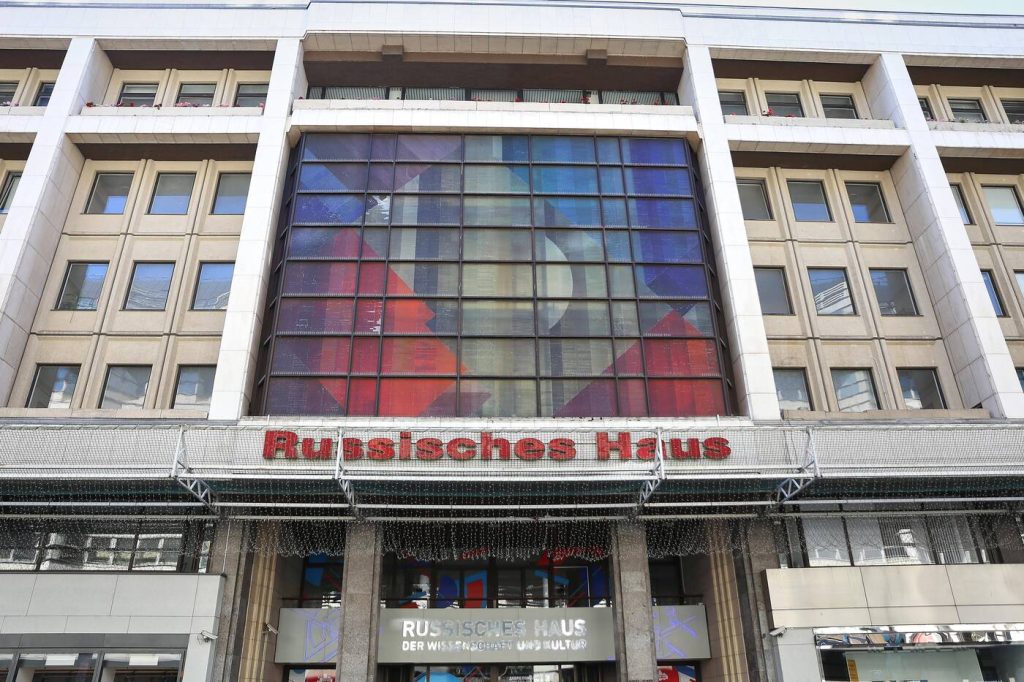
Комментируя это решение немецких властей, президент РФ Владимир Путин назвал его «грубой ошибкой».
«Думаю, это решение — еще одна ошибка. Грубая ошибка и она противоречит интересам немецкого народа», — сказал российский лидер.
Руководитель Россотрудничества Игорь Чайка также ответил на решение немецких властей, напомнив, что соглашение, на базе которого работает Русский Дом в Берлине, определяет деятельность Института Гете в России.
«Очевидно, что правительство Германии в очередной раз действует в ущерб интересам своего народа, пытаясь уничтожить многолетние международные культурные связи. В отношении Русского Дома с февраля этого года по указанию немецких властей развязана лживая информационная кампания, в немецких СМИ было размещено более 300 не соответствующих действительности, безосновательных публикаций.
Cчитаю важным отметить, что деятельность подобных учреждений в любой стране строится на принципе взаимности, и текущее межправительственное соглашение от 2011 года, на базе которого работает наш Русский Дом в Берлине, является двусторонним. Оно также определяет деятельность Института Гете, причём не только в Москве, но и в Санкт-Петербурге и Новосибирске. Хотелось бы напомнить немецким властям древний принцип „око за око»”», — заявил Чайка.
Напомним, накануне Россия приняла ответные меры на недружественные действия Германии, остановив работу генерального консульства ФРГ в Санкт-Петербурге и культурных центров имени Гете на территории страны.
English version
Rossotrudnichestvo to launch microgrant program for compatriots and foreigners who share Russia’s values
Head of the Agency Igor Chaika announced the initiative at an event held at the Public Chamber of the Russian Federation
Following the closure of the Russian House in Berlin, Rossotrudnichestvo will use a different mechanism to support compatriots living abroad and foreigners willing to engage in dialogue with Russia. Head of Rossotrudnichestvo Igor Chaika made the announcement on September 8 at the Public Chamber of the Russian Federation. He spoke at a ceremony marking the signing of cooperation agreements between the Federal Agency for the Commonwealth of Independent States, Compatriots Living Abroad and International Humanitarian Cooperation (Rossotrudnichestvo) and non-profit organizations seeking to obtain the status of partner Russian Houses.
According to Chaika, Rossotrudnichestvo will provide microgrants in several areas of activity, with the program scheduled to launch in 2027.
“Starting in 2027, we will launch a new program and a new instrument to support initiatives by both our compatriots and foreign nationals who share our values. This will be a microgrant program supporting educational, cultural, scientific and technological, historical, youth and other projects. Grants will be available both to individuals and to groups of like-minded people and civil society organizations”, — he said.
Closure of the Russian House in Berlin
It was previously reported that on September 1, Germany officially attributed responsibility to Russia for an incident involving a drone at Leipzig Airport. Minister of Foreign Affairs of Germany Johann Wadephul announced at a press conference that the Russian House in Berlin would be closed.
Commenting on the decision by the German authorities, Russian President Vladimir Putin called it a “serious mistake”.
“I believe this decision is yet another mistake. A serious mistake, and one that runs counter to the interests of the German people”, the Russian leader said.
Head of Rossotrudnichestvo Igor Chaika also responded to the decision by the German authorities, pointing out that the agreement under which the Russian House in Berlin operates also defines the activities of the Goethe-Institut in Russia.
“It is obvious that the German government is once again acting against the interests of its own people, attempting to destroy longstanding international cultural ties. Since February this year, the German authorities have launched a false information campaign against the Russian House. More than 300 inaccurate and unfounded publications have appeared in the German media.
“I believe it is important to emphasize that the activities of such institutions in any country are based on the principle of reciprocity. The current intergovernmental agreement of 2011 under which our Russian House in Berlin operates is bilateral. It also governs the activities of the Goethe-Institut, not only in Moscow but also in St. Petersburg and Novosibirsk. I would like to remind the German authorities of the ancient principle of ‘an eye for an eye”, Chaika said.
It was previously reported that Russia had taken retaliatory measures in response to Germany’s unfriendly actions, suspending the operation of the German Consulate General in St. Petersburg and Goethe cultural centers across the country.


